7 Things Every Performer Needs to Say On Stage 🎤
One of the biggest struggles performers face isn't playing the music.
It's knowing what to say when the music stops.
I've worked with musicians, singers, entertainers, and performers from all different backgrounds. Some are natural communicators who can effortlessly build relationships with an audience.
Others would rather play three extra songs than pick up a microphone and speak.
Then, there are the performers who do talk ... but they don't think much about purpose.
They ramble, fill space, and unintentionally create noise instead of connection.
The good news?
You don't need to be a professional public speaker to communicate effectively on stage.
In fact, there are a handful of talking points that work at almost any performance, whether you're playing a bar, wedding, corporate event, festival, coffee shop, church, or private party.
Here are seven things I recommend talking about on stage at every show.
Tell People Who You Are
This sounds obvious, but many performers forget to do it.
If people don't know your name, they can't remember your name.
If they can't remember your name, they can't recommend you to someone else.
Make sure you mention your name, your band's name, or your group's name multiple times throughout the show. Most audiences need repetition before information sticks.
By the end of the night, people should know exactly who performed for them.
Tell People How To Find You
This is another one that sounds simple but often gets overlooked.
If someone enjoys your performance, where should they go next?
Your website?
Instagram?
Facebook?
TikTok?
YouTube?
Give people a clear next step.
Better yet, make it easy by displaying a QR code on a banner, sign, or screen that directs people straight to your website or social media profiles.
A great performance can create future opportunities—but only if people know how to reach you.
Share Something Personal
People connect with people.
Talk about how the band got together.
Share a funny story from a previous gig.
Mention something unique about one of your bandmates.
Tell a quick story that reveals who you are beyond the music.
These moments help audiences see you as a real person rather than simply someone standing on a stage.
Connection creates engagement.
Talk About The Venue
Acknowledge where you're performing.
Compliment the venue.
Mention the atmosphere.
Recognize the staff.
Thank the people who brought you in.
Venue owners, managers, event coordinators, and staff notice when performers take time to appreciate them publicly.
It's a small gesture that can leave a lasting impression.
Talk About The Food Or Drinks
This one catches people off guard.
Most audiences don't expect the entertainer to start talking about mashed potatoes, steak, ravioli, or drink specials.
That's exactly why it works.
At bars and restaurants, you can help promote specials and support the venue.
At weddings and private events, you can use the meal as a transition point.
For example:
"We all just ate an incredible meal. Now let's work some of it off on the dance floor."
Simple.
Relatable.
Effective.
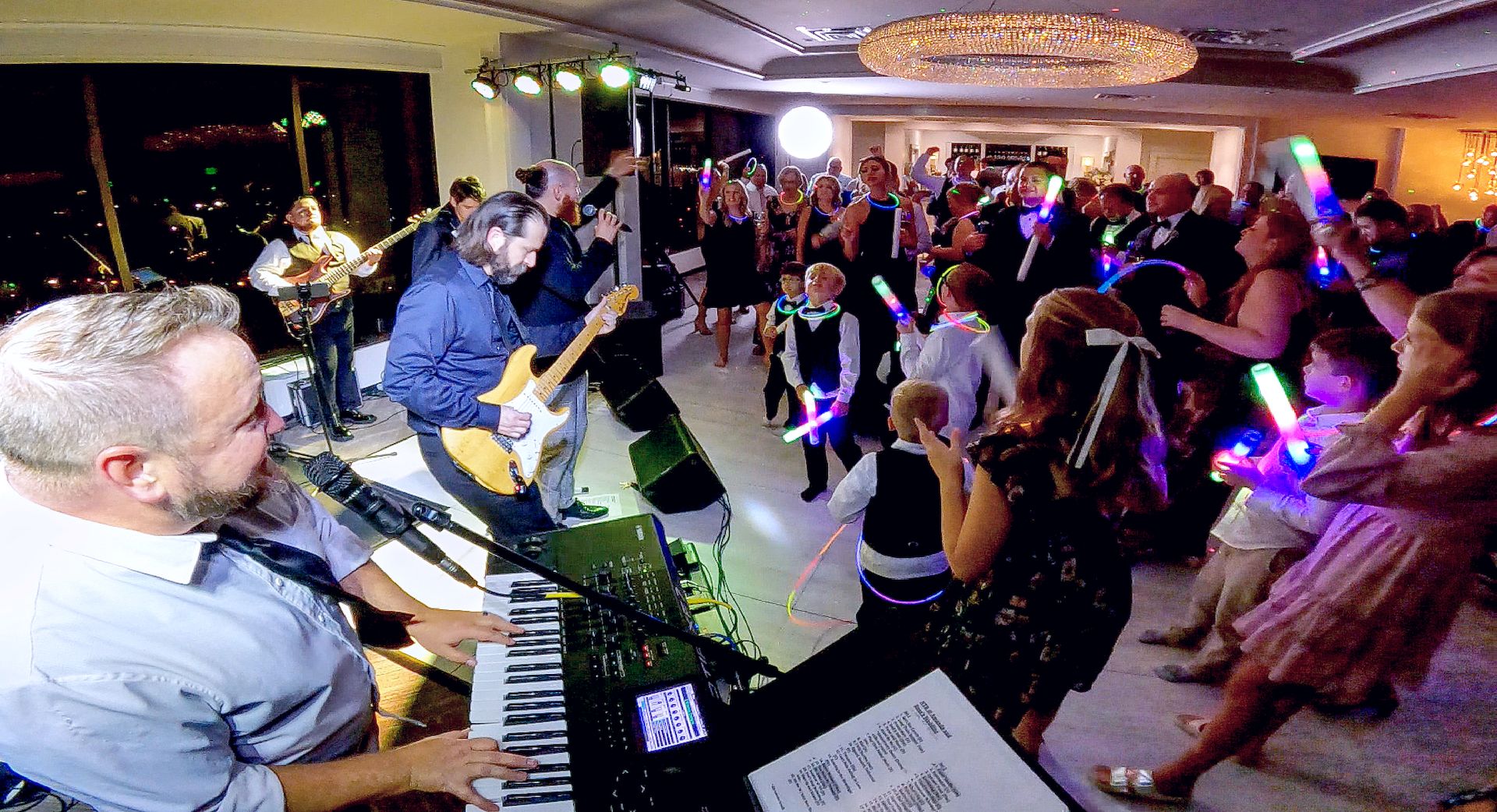
Give People Something To Do
This is where audience engagement really starts to happen.
Many audiences are waiting for permission.
They're waiting for someone to lead.
Your job is to give them an action.
Sing along.
Clap.
Dance.
Join a conga line.
Raise their hands.
Move closer to the stage.
Whatever fits the moment.
The more people participate, the more invested they become in the experience.
Great performers don't just perform for the audience.
They perform with the audience.
Use People's Names
People love hearing their name.
It's one of the easiest ways to create connection.
When appropriate, acknowledge people in the crowd.
Thank someone by name.
Celebrate a guest of honor.
Recognize regular customers.
Mention the bride and groom.
Call out someone celebrating a birthday.
The moment you use someone's name, you instantly make the experience feel more personal.
And when the experience feels personal, people remember it.
Final Thoughts
Learning what to say on stage isn't about filling silence.
It's about creating connection.
The best stage communication has a purpose. It helps audiences feel involved, welcomed, entertained, and engaged.
If you're looking to improve your confidence and communication on stage, start by incorporating these seven ideas into your next performance.
You don't have to use them exactly the way I do.
- Adapt them.
- Personalize them.
- Make them your own.
Because your goal isn't to sound like someone else.
The goal is to be the performer you're meant to be.
Good luck!
Want to dive deeper into the psychology behind stage communication and audience engagement?
Check out Public Speaking for Entertainers and learn how to choose the right words to create the exact experience you want your audience to have.
Be the Performer You Are Meant to Be!
Join us to start performing with confidence, purpose, and fun... one email at a time.
When you signup, you will get regular email updates with free content and product offers.